
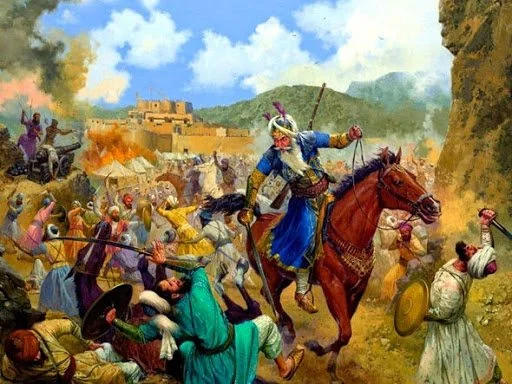
Exhibitions.
Exhibitions are written editorial and opinionated presentations of various historical topics across the spectrum of Panjabi history.
-
The Letter of French King Louis-Philippe I to Maharaja Ranjit Singh (1835).
-
A Gurmat and Decolonized Analysis of the Battle of Fort Saragarhi (1897).
Panjabi Field Hockey Supremacy (1928-1968).
The House of Pretenders (1748-1960).
Founder of the Khalsa: Guru Nanak Sahib (1699).
Current Exhibitions.
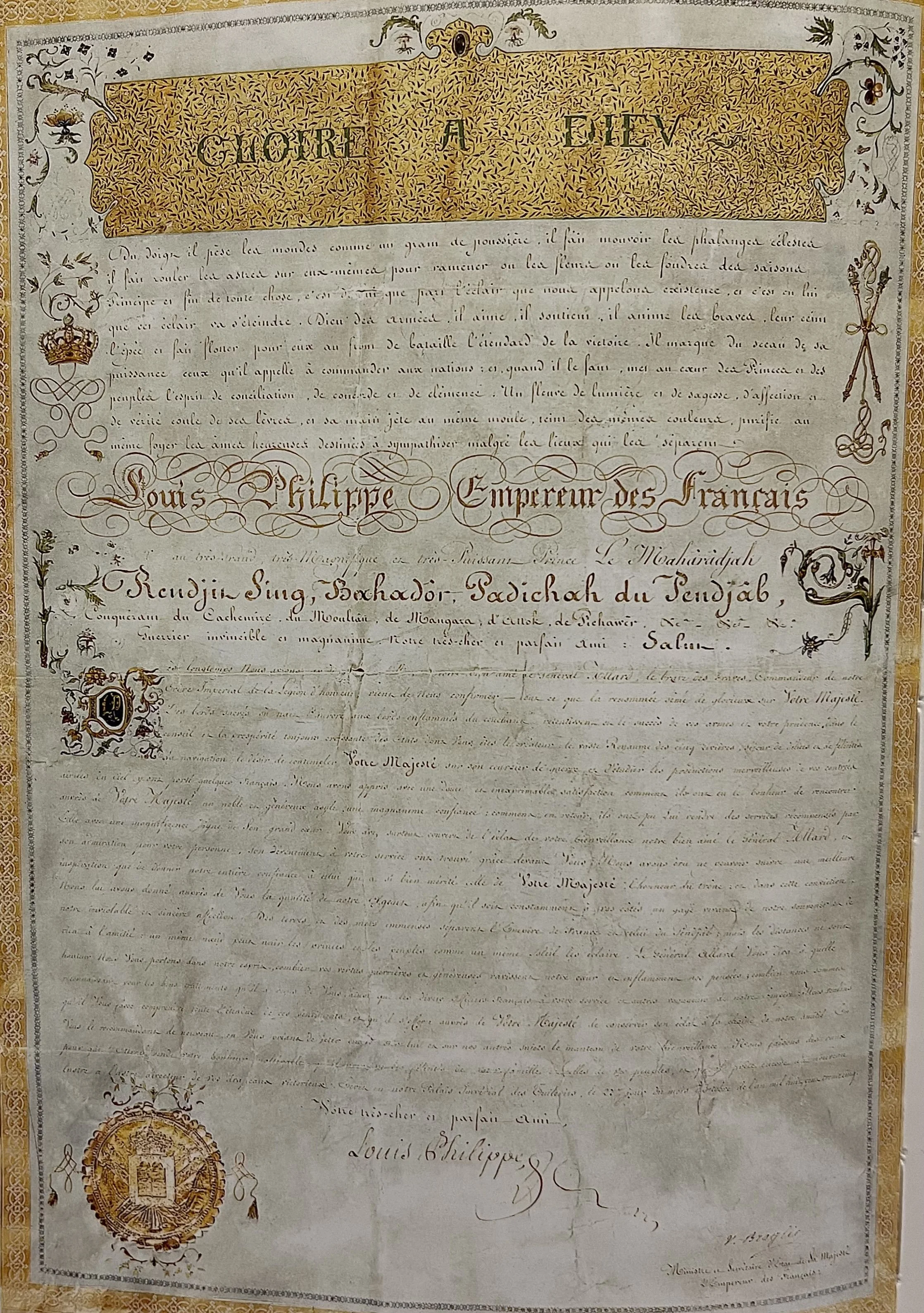
The Letter of King Louis-Philippe I to Maharaja Ranjit Singh (1835).
Sikh Imperial Commander Jean-Francois Allard, who had been firmly established in the service of the Lahore Darbar since March 1822, took a two year leave from his post in Panjab to return to France in 1834 with his family. Allard departed Lahore on 30 June 1834, with a tearful goodbye to his sovereign Maharaja Ranjit Singh. While returning to France, Allard had managed to secure an audience with King Louis-Philippe I [r. 1830-1848] where he, after some discussion, convinced the French King that he was under the service of Maharaja Ranjit Singh in Punjab. From King Louis-Phillippe, Allard had secured a letter as a declaration of friendship. Shared in this brief exhibition is the transcription and translations of the famed letter - the first presentation of its kind online.
Future Exhibitions.
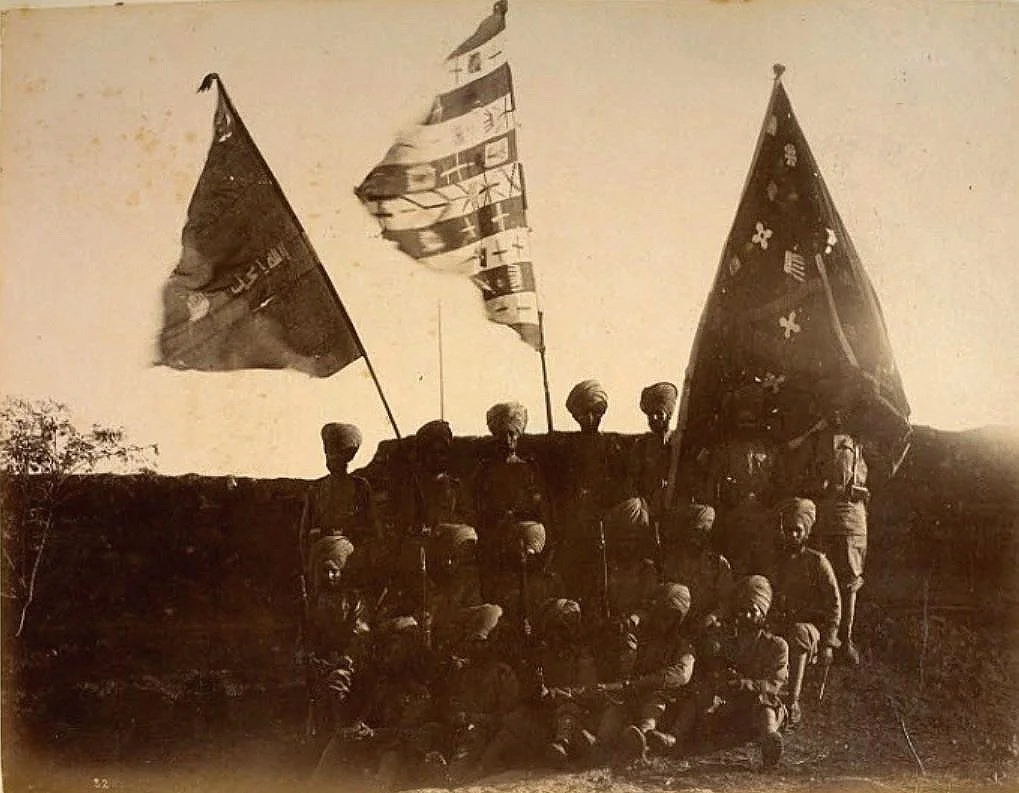
A Gurmat and Decolonized Analysis of the Battle of Fort Saragarhi (1897).
The iconic standoff between 21 Sikh sepoys of the 36th Sikhs [4th Battalion] of the 11th Sikh Regiment and over 10,000 Afghan Afridi, Orakzai and Pashtun tribesmen has since found its fame in warfare history - being shared by enthusiasts as more legendary than the ancient Battle of Thermopylae (480 BCE). Yet is the fame and glory worth overlooking the true context of the situation on the Durand Line?
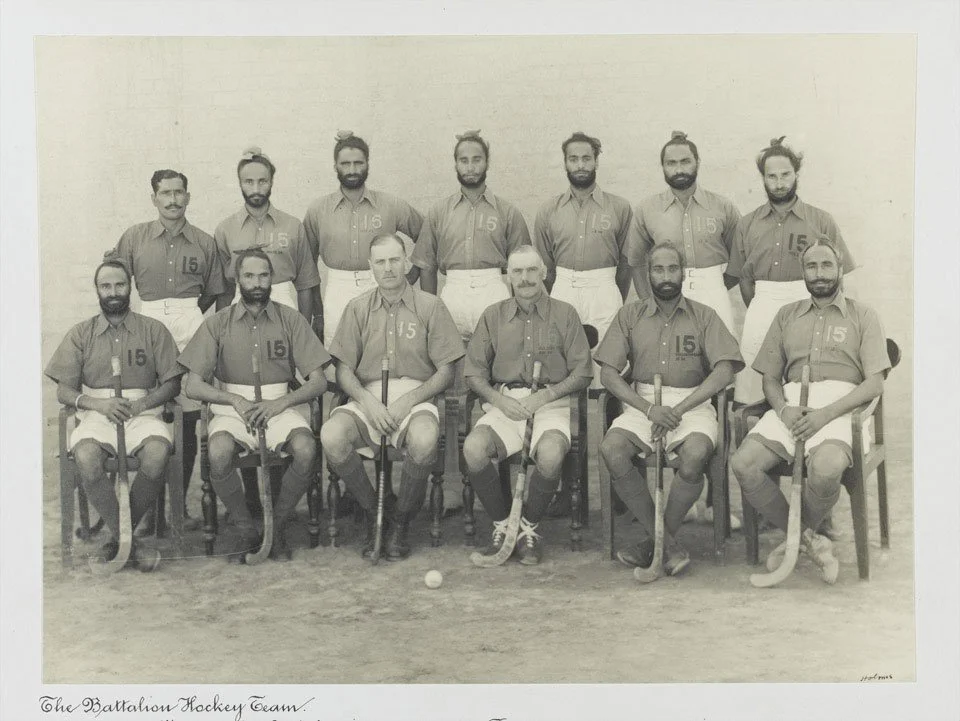
Panjabi Field Hockey Supremacy (1928-1968).
With the bronze medal victory of the Indian men’s national field hockey team at the 2020 Tokyo Summer Olympics, 13 East Panjabis found themselves carrying the country back to the Olympic podium. Defeating Germany for a third place finish, some German spectators shared the torment they felt while watching after having kept hearing “Singh” throughout the commentary. For Panjab, this would be the best finish since West Panjabis for Pakistan won bronze at the 1992 Barcelona Summer Olympics. A hard reality many mainstream Indians had to face as a result of the victory was the continued Panjabi and Sikh excellence in athletics for the country, despite consistent oppression, pointed out by Panjabis globally. This project will cover the history of field hockey establishment in Panjab and the international Olympic brilliance witnessed on both sides of the Radcliffe Line post-Partition - giving credit to the people credit is due towards: the Panjabi Qaum.
The House of Pretenders (1748-1960).
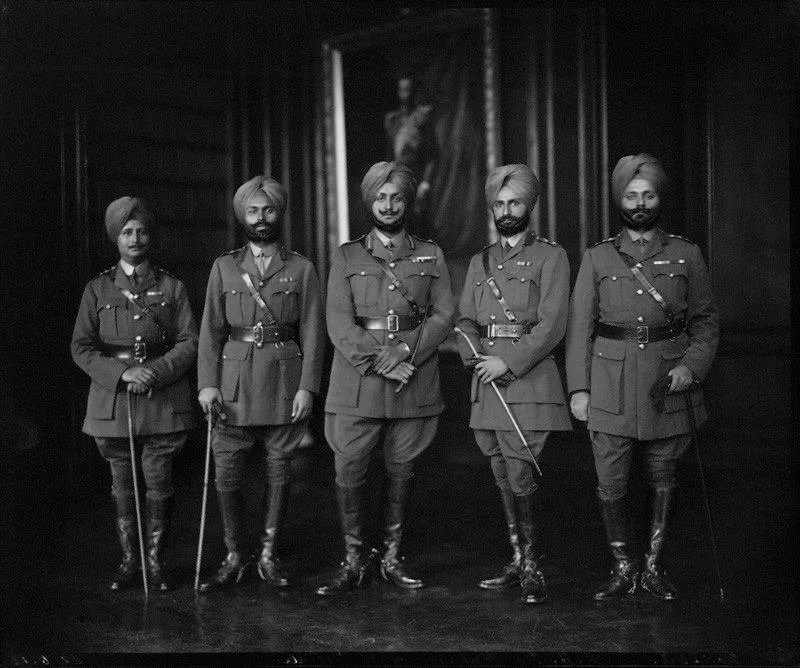
When asked, anyone will openly acknowledge that the Sikh Royal Family was that of Maharaja Ranjit Singh and the House of Sukerchakia that was founded before him and lasted until the fall of the Lahore Darbar in 1849. The House itself ended when the British monarch Queen Victoria saw it fit to kidnap the youngest son of Ranjit Singh, then Maharaja Duleep Singh, take him to Britain, forcibly convert him to Christianity and have him live an almost captive lifestyle in Buckingham Palace. However, another lineage of Sikh rulers existed which many Panjabis are aware of but their origins and extended existence past the Sukerchakia dynasty remains a mystery to the common people. This exhibition will showcase the frauds that were the Rajas of Patiala, Nabha, Jind, Faridkot, Kalsia, Kaithal and Kapurthala and where the anti-Sikh origins of the House of Phul began.